

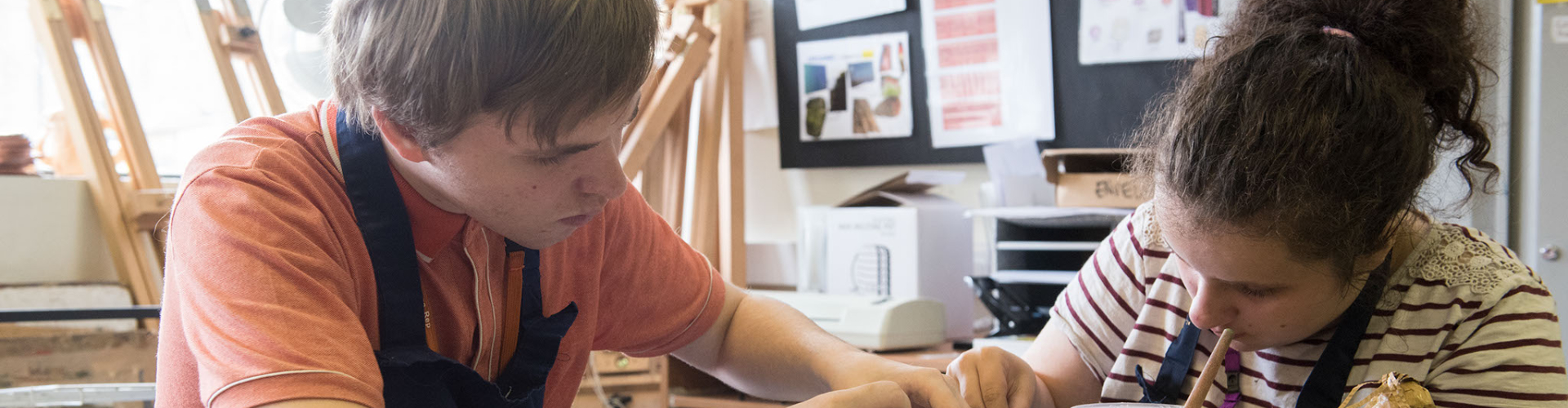
This course is designed for school leavers aged 16 to 24 with moderate to more complex learning difficulties and disabilities who are working at pre-entry or Entry Level 1.
As part of the colleges Moving In pathway, the course supports learners as they transition from school to college, helping them settle into a new learning environment while developing confidence, independence and communication skills.
The programme provides a structured and supportive setting where learners can develop practical life skills, social skills and early work-related skills while becoming familiar with college life and routines.
The course is designed to help learners build a strong foundation for future progression, both within education and in the wider community.
- Entry Requirements, Units, Assessment and more...
Entry Requirements
To join this course, learners must be aged between 16 and 24 and have an Education, Health and Care Plan.
No previous qualifications or work experience are required. Before an application can be progressed, the Supported Learning department requires a consultation with the local authority to ensure the course is suitable for the learners individual needs.
This process is usually supported by the SENCO at the learners current school, who can provide guidance and help arrange the consultation.
Assessment Method
Assessment on this course is flexible and tailored to each learner.
Progress is measured through day-to-day learning activities, practical tasks and participation, using a range of assessment methods that reflect each learners individual needs and personal development rather than formal examinations.
This approach allows learners to develop at their own pace in a supportive environment.
Aims of the course
The aim of this course is to help learners build greater independence, confidence and essential life skills for everyday living.
Learners will develop communication, social and self-advocacy skills alongside practical life and early work-related skills that support future progression.
The curriculum includes English and maths, group tutorials, social skills and community-based learning to support both academic and personal development.
Learners also take part in termly activity rotations, which may include independent living skills, creative subjects such as music, art, dance and drama, practical activities including cooking, gardening and upcycling, healthy living sessions and project-based enterprise work.
The programme also provides opportunities for supported work experience projects such as community food initiatives, enterprise pop-up shops and social action projects, helping learners gain valuable practical experience.
Progression Opportunities
After completing the course, learners may progress onto other Supported Learning programmes within the college, depending on their individual goals, abilities and readiness.
Progression may include further study focused on independent living, vocational learning, community participation or supported internships.
The course provides an important foundation for future independence, personal development and preparation for adult life.
Facilities
Teaching takes place at Lewisham College within the Supported Learning department.
Learning is delivered through a combination of classroom-based sessions, practical workshops and community activities, helping learners develop skills in a range of different settings.
Each group is supported by a course tutor and a Learning Support Worker, with access to additional specialist support services including Speech and Language Therapists, safeguarding and behaviour specialists and other support services.
Sensory and quiet spaces are also available to support learners individual needs and wellbeing.
Career Options
On completion of the course, learners may continue building towards employment or volunteering opportunities with support.
The Supported Learning job coach team works closely with learners to identify suitable work placements and future opportunities based on individual needs and long-term goals.
Further training or supported pathways are usually needed before moving into employment, helping learners continue building confidence and work-related skills over time.